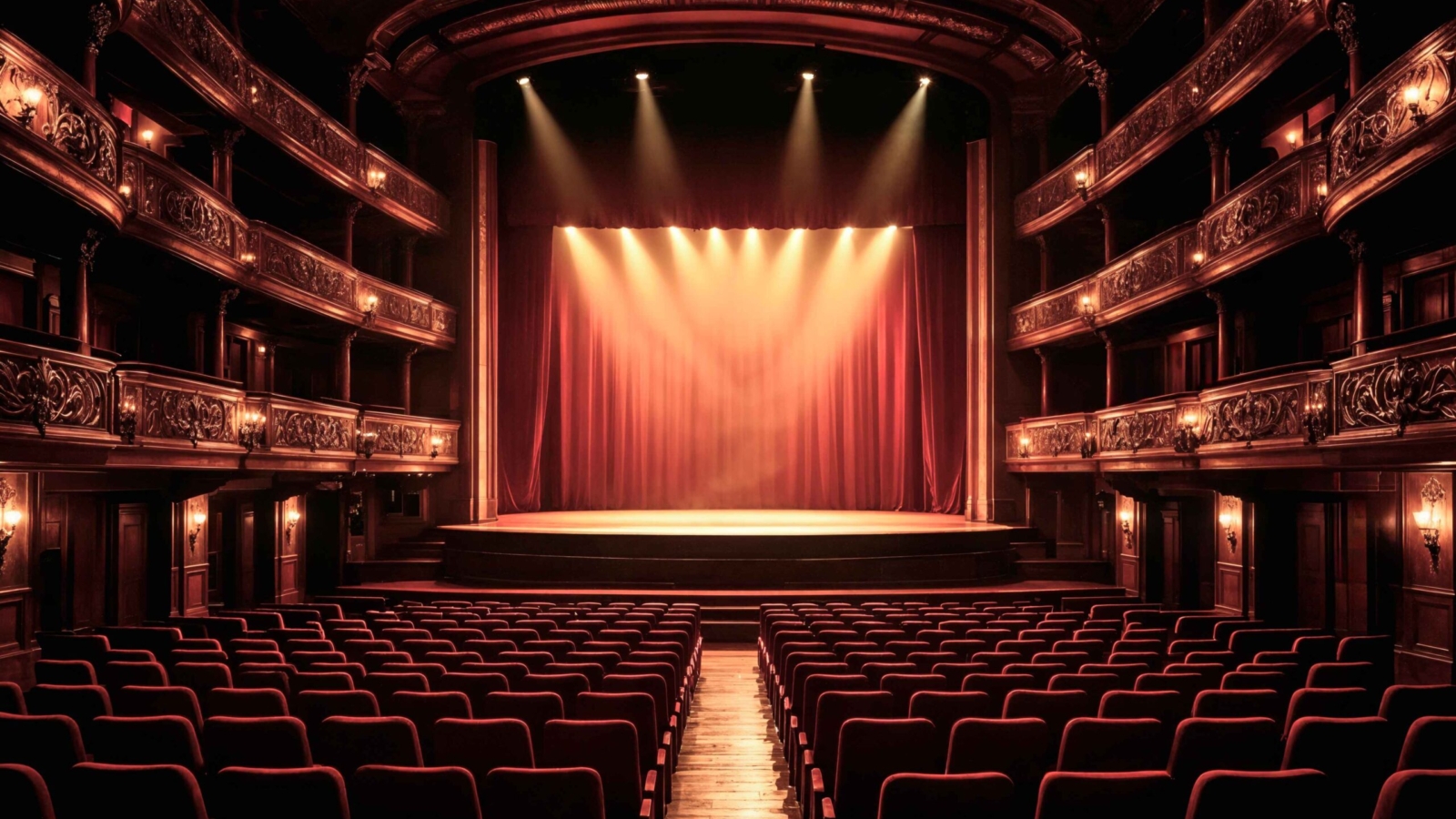
How to Start a Theatre Company Kenya
Starting a theatre in Kenya requires careful planning, from legal compliance to finding the right location. This guide is designed for entrepreneurs, arts organizations, and creative professionals who want to establish a successful theatre business in Kenya’s growing entertainment market.
Setting up a theatre in Kenya involves navigating specific regulations and cultural considerations that can make or break your venture. The Kenyan theatre scene offers tremendous opportunities, but success depends on understanding local requirements and audience preferences.
We’ll walk you through Kenya’s legal requirements for theatre operations, including licensing, permits, and compliance standards you need to meet. You’ll also learn how to choose the optimal location that balances accessibility, costs, and target audience needs. Finally, we’ll cover practical design considerations for creating a space that delivers exceptional audience experiences while supporting quality performances.
Research Kenya’s Legal Requirements for Theatre Operations

Obtain necessary business registration and licensing permits
Getting your theatre legally recognized in Kenya starts with registering your business through the eCitizen platform or visiting the Attorney General’s office. You’ll need to choose between registering as a sole proprietorship, partnership, or limited company – most theatre operators go with a limited company for better credibility and growth potential.
The Business Registration Service handles company names, so pick 3-5 options since your first choice might already be taken. Registration fees vary from KES 1,050 for business names to around KES 12,500 for limited companies, depending on your share capital.
Once registered, head to your local county government for a business permit. Each county has different requirements and fees, typically ranging from KES 5,000 to KES 15,000 annually. Nairobi County, for example, requires detailed business plans and proof of premises ownership or lease agreements.
Don’t forget the Single Business Permit (SBP) which consolidates various licenses you’d otherwise need separately. This streamlined process saves time but still requires meeting all individual licensing criteria. Entertainment venues specifically need an entertainment license from the county, which involves site inspections and compliance checks.
Understand zoning regulations for entertainment venues
Kenya’s Physical and Land Use Planning Act strictly governs where you can operate entertainment venues. Counties classify areas into residential, commercial, industrial, and mixed-use zones, with specific regulations for each category.
Most counties only permit theatres in commercial or mixed-use zones. If you’re eyeing a location in a residential area, you’ll likely face restrictions on operating hours, noise levels, and audience capacity. Some counties completely prohibit commercial entertainment in purely residential zones.
Check your county’s integrated development plan and zoning maps before signing any lease agreements. These documents outline permitted land uses and development guidelines. Nairobi’s zoning regulations, for instance, require entertainment venues in residential areas to maintain specific setbacks from property boundaries and limit operating hours to 10 PM on weekdays.
Environmental Impact Assessments (EIAs) might be required for larger theatre projects, especially those exceeding certain capacity thresholds or involving significant construction. The National Environment Management Authority (NEMA) oversees this process, which can take 2-3 months to complete.
Secure fire safety and building compliance certificates
The Kenya Bureau of Standards (KEBS) and local fire departments conduct mandatory inspections before issuing occupancy certificates. Your theatre must meet specific safety standards including adequate fire exits, emergency lighting, and proper ventilation systems.
Fire safety requirements include installing fire extinguishers, smoke detectors, and emergency exit signs throughout the venue. Capacity calculations determine maximum occupancy based on exit widths and routes – typically allowing one person per 0.46 square meters for assembly spaces. Emergency exits must remain unobstructed and open outward, with proper panic hardware on doors.
Building compliance involves structural integrity assessments, electrical system inspections, and accessibility audits. The Persons with Disabilities Act requires accessible entrances, restrooms, and designated seating areas. Ramps, handrails, and appropriate signage aren’t optional – they’re legal requirements that inspectors will check thoroughly.
Professional engineers and architects familiar with Kenya’s building codes should review your plans early. Their input prevents costly modifications later when inspectors identify non-compliance issues during final inspections.
Navigate tax registration and employment law requirements
Register for Pay As You Earn (PAYE), Value Added Tax (VAT), and National Hospital Insurance Fund (NHIF) through the Kenya Revenue Authority’s iTax system. VAT registration becomes mandatory once annual turnover exceeds KES 5 million, though voluntary early registration offers advantages for recovering input VAT on equipment purchases.
Employment law compliance starts with registering employees for statutory deductions including NHIF, National Social Security Fund (NSSF), and Housing Levy. The Employment Act requires written contracts within two months of hiring, detailing terms, conditions, and benefits clearly.
Work permits are essential for any foreign employees you might hire – directors, technical specialists, or performers. The Kenya Association of Manufacturers or similar industry bodies can guide you through permit applications, which typically take 2-3 months to process.
Keep detailed payroll records and remit statutory deductions by the 9th of each month to avoid penalties. Late payments attract interest charges and potential legal complications that could disrupt your operations during critical performance periods.
Choose the Optimal Location for Maximum Success

Analyze foot traffic patterns in potential neighborhoods
Understanding pedestrian movement in your target area makes the difference between a thriving theatre and an empty house. Walk through prospective neighborhoods at different times throughout the week, paying attention to when people are naturally moving around. Tuesday afternoons tell a different story than Saturday evenings, and both matter for your success.
Nairobi’s Westlands district buzzes with office workers during lunch breaks and after 5 PM, while areas like Karen see more weekend activity when families venture out for entertainment. Mombasa’s Old Town draws tourists during daylight hours, but locals prefer evening activities in air-conditioned venues. Document these patterns using simple tallies or smartphone apps to track peak movement times.
Consider seasonal variations too. Nairobi residents stay indoors more during heavy rains from March to May, while coastal areas see tourist influxes during school holidays. Your location should maintain steady foot traffic year-round, not just during peak seasons.
Shopping centers, bus stations, and popular restaurants create natural gathering points that generate consistent pedestrian flow. Position your theatre within walking distance of these magnets, but avoid spots where people are rushing to catch transportation or focused on quick errands.
Evaluate proximity to schools, hotels, and cultural centers
Your theatre’s neighbors significantly impact your audience base and revenue potential. Universities and secondary schools provide built-in audiences for educational programming, youth productions, and affordable entertainment options. The University of Nairobi, Strathmore University, and various international schools regularly seek venues for student performances and cultural events.
Hotels represent direct revenue opportunities through tourist audiences and partnership possibilities. Three and four-star hotels often recommend local entertainment to guests, and many tour operators include cultural experiences in their packages. Properties like the Sarova Stanley, Fairmont Norfolk, or coastal resorts in Diani Beach actively promote local attractions to their international clientele.
Cultural centers, museums, and art galleries create artistic ecosystems that benefit all participants. The Kenya National Theatre, GoDown Arts Centre, and Alliance Française already draw culture-seeking audiences. Positioning near these established venues means tapping into existing networks of artists, patrons, and cultural enthusiasts who regularly attend performances.
Religious centers shouldn’t be overlooked either. Many churches and mosques host community events and would welcome partnership opportunities for family-friendly productions during holidays and special occasions.

BUILD
A WEBSITE WITH US
Assess parking availability and public transportation access
Parking challenges kill theatre attendance faster than bad reviews. Nairobi’s traffic congestion means audiences need confidence they can park safely and affordably. Survey potential locations during evening hours when most performances occur. Count available spaces within a three-block radius and note whether they’re free, metered, or require payment to private operators.
Security matters as much as availability. Well-lit parking areas with visible security presence encourage repeat visits, while dark or isolated spots deter audiences regardless of performance quality. Partner with nearby businesses for shared parking arrangements during evening hours when offices close and restaurants haven’t reached peak demand.
Public transportation access opens your theatre to broader audiences who can’t afford private vehicles or prefer avoiding traffic hassles. Matatu routes, bus stops, and proximity to Nairobi’s planned Bus Rapid Transit system determine accessibility for students, young professionals, and budget-conscious families.
In coastal cities like Mombasa, tuk-tuks and boda-bodas provide last-mile transportation solutions, but audiences need safe pickup points near your venue. Uber and Bolt availability also influences location attractiveness, especially for evening performances when public transport options dwindle.
Consider creating transportation partnerships with local taxi cooperatives or ride-sharing services for special events, offering discounted rates that benefit both your audience and transport providers.
Design Your Theatre Space for Audience Comfort and Performance Quality

Plan seating arrangements for optimal viewing angles
The success of your theatre depends heavily on how well your audience can see and hear the performance. Start by considering the rake angle of your seating—a slope of 30 degrees provides the best sightlines without making patrons feel like they’re climbing a mountain. Position your front row at least 10 feet from the stage to prevent neck strain and give performers breathing room.
For a 200-seat venue, arrange seating in a fan shape rather than straight rows. This configuration brings more audience members closer to the action and creates better acoustics. Keep aisles wide enough for comfortable movement—36 inches minimum—and never have more than 14 seats in a row without an aisle break. Consider installing continental seating with wider aisles on the sides, which speeds up entry and exit times while creating a more premium feel.
Sight lines matter more than cramming in extra seats. Test your layout by sitting in various positions and checking for obstructed views from lighting equipment, pillars, or other patrons’ heads. The last row should still feel connected to the performance, so avoid stretching your theatre too deep.
Install professional lighting and sound systems
Quality technical systems separate amateur venues from professional theatres. Your lighting grid should accommodate both general illumination and creative theatrical lighting. Install a combination of LED fixtures for energy efficiency and traditional tungsten lights for warmth. Plan for at least 50 circuits in a small theatre, distributed across front-of-house positions, side lighting, and overhead battens.
The sound system requires careful acoustic planning. Dead zones and hot spots can ruin the audience experience, so work with an acoustic engineer familiar with Kenyan venues. Your system needs to handle everything from intimate dialogue to full musical productions. Invest in a digital mixing console that can save presets for different types of shows.
Don’t forget about power requirements—theatrical equipment draws significant electricity. Work with Kenya Power to ensure adequate service and consider backup generators for important performances. Install proper grounding and safety systems to protect both equipment and people.
Create backstage areas and dressing rooms
Performers need functional spaces to prepare and store costumes. Plan for at least two dressing rooms with proper mirrors, lighting, and ventilation—Kenya’s climate makes air circulation essential. Include secure storage for personal belongings and valuable costumes.
The backstage area should allow quiet movement during performances. Use sound-absorbing materials and create clear pathways marked with glow tape for blackout navigation. Install a monitor system so performers can follow the show from backstage areas.
Storage space often gets overlooked but proves critical for ongoing operations. You’ll need areas for sets, props, costumes, and equipment. Climate-controlled storage protects valuable items from humidity damage.
Ensure accessibility features for disabled patrons
Kenya’s Persons with Disabilities Act requires accessible public venues. Install ramps with proper gradients—not steeper than 1:12—and ensure doorways are at least 32 inches wide. Designate wheelchair-accessible seating areas that don’t isolate disabled patrons in back corners.
Accessible restrooms need adequate space for wheelchair maneuvering and grab bars properly positioned. Consider installing hearing loop systems for patrons with hearing impairments, and ensure your website and ticketing systems accommodate screen readers.
Train your staff on disability awareness and assistance protocols. Many accessibility features benefit all patrons—good lighting helps everyone navigate safely, and clear sightlines improve the experience for all audience members.
Design lobby and concession areas for revenue generation
Your lobby serves as the first impression and a crucial revenue center. Create an inviting space that encourages patrons to arrive early and linger during intermission. Display upcoming show posters and local art to support the community while adding visual interest.
The concession stand should offer quick service with pre-intermission preparation systems. Focus on items that don’t create noise during performances—skip the crinkly packaging. Partner with local vendors for unique offerings like Kenyan coffee or locally-made snacks.
Design merchandise display areas near the entrance and exit paths. Patrons are most likely to purchase items when they’re excited about the show they’re about to see or have just enjoyed. Include comfortable seating areas where people can socialize and discuss the performance, building community around your venue.
Plan the flow carefully to avoid bottlenecks during busy periods. Wide corridors and multiple service points prevent long lines that frustrate patrons and reduce sales opportunities.
Build Strategic Partnerships Within Kenya’s Entertainment Industry

Connect with local drama groups and performing arts schools
Building relationships with Kenya’s vibrant performing arts community creates a foundation for your theatre’s success. Start by reaching out to established drama groups like Phoenix Players, Nairobi Music Society, and Heartstrings Entertainment. These organizations have loyal followings and can provide ready-made audiences for your productions.
Contact performing arts schools such as the Kenya National Theatre, Kenya Conservatoire of Music, and university drama departments at institutions like the University of Nairobi and Kenyatta University. These partnerships offer mutual benefits – you gain access to talented performers and directors, while students receive real-world experience in professional theatre settings.
Consider offering your space for workshops, rehearsals, or showcases at reduced rates during off-peak hours. This builds goodwill and keeps your theatre active throughout the week. Many local groups struggle to find quality performance venues, so positioning yourself as a supportive partner rather than just another rental facility sets you apart.
Establish relationships with international touring companies
International partnerships elevate your theatre’s profile and attract diverse audiences. Connect with British Council Kenya, which regularly brings UK productions to the country. The French Cultural Centre (Alliance Française) and Goethe Institut also facilitate international cultural exchanges that could benefit your venue.
Attend industry conferences like the International Association of Theatre Critics meetings or East African performing arts festivals to network with touring companies. Many international groups seek authentic African venues for their shows, especially those with themes relevant to the continent.
Create attractive partnership packages that include technical support, marketing assistance, and local cultural guidance. International companies often need help navigating Kenya’s entertainment landscape, customs procedures, and audience preferences. Your expertise becomes invaluable to them.
Partner with government cultural institutions and embassies
The Kenya National Theatre remains the country’s premier cultural institution, and building a relationship with them opens doors to government funding opportunities and official recognition. The Ministry of Sports, Culture and Heritage offers various grants and programs supporting cultural initiatives.
Embassies frequently host cultural events as part of their diplomatic missions. The US Embassy, German Embassy, and others regularly seek venues for cultural programming. These partnerships bring prestige and often come with built-in marketing support through diplomatic channels.
The Kenya Cultural Centre and county governments also provide opportunities for collaboration. Many counties have cultural officers who can connect you with local artists and funding opportunities. Building these relationships early helps when applying for permits, licenses, or government contracts.
Network with corporate sponsors and advertisers
Corporate partnerships provide crucial revenue streams and marketing reach. Kenyan banks like Equity Bank and KCB have strong corporate social responsibility programs that support arts and culture. Telecommunications companies such as Safaricom and Airtel often sponsor entertainment events as part of their marketing strategies.
Manufacturing companies, especially those targeting middle-class consumers, see value in associating with cultural venues. Companies like East African Breweries Limited (EABL) and Coca-Cola regularly sponsor entertainment events and venues.
Create sponsorship packages that offer real value – naming rights, VIP seating areas, branded merchandise opportunities, and corporate event hosting. Many companies want to host clients or employees at cultural events, so offering exclusive packages for corporate bookings can be highly profitable.
Media partnerships with Nation Media Group, Standard Group, and radio stations provide marketing reach in exchange for advertising opportunities. These relationships help promote your shows while reducing your marketing costs.
Develop Sustainable Revenue Streams and Marketing Strategies

Create diverse programming to attract different audiences
Programming variety is your ticket to sustained success. Mix traditional Kenyan performances with contemporary works, international productions, and experimental pieces. Schedule children’s shows during school holidays and matinee performances for families. Weekend slots work perfectly for mainstream productions, while weekday evenings can showcase edgier, niche content that appeals to art enthusiasts.
Consider hosting different performance types beyond theatre – comedy shows, musical concerts, poetry nights, and cultural festivals broaden your appeal. Partner with local schools for educational theatre programs and university drama departments for student showcases. This approach fills seats year-round while building community connections.
Implement dynamic pricing models for various events
Smart pricing maximizes revenue without alienating audiences. Premium seats command higher prices for popular shows, while discounted rates during off-peak times keep the venue active. Early bird pricing encourages advance bookings and improves cash flow planning.
Create tiered pricing structures:
- Premium shows: International productions, famous performers
- Standard pricing: Local professional productions
- Community rates: Student performances, local amateur groups
- Special pricing: Senior discounts, student rates, group bookings
Weekend shows typically support higher prices than weekday performances. Holiday productions and special events warrant premium pricing, while experimental or debut performances benefit from accessible pricing that builds audiences.
Launch digital marketing campaigns targeting urban demographics
Kenya’s urban population actively engages with digital platforms, making online marketing essential. Focus campaigns on Nairobi, Mombasa, and other major cities where theatre audiences concentrate. Facebook and Instagram work particularly well for event promotion, while WhatsApp groups create intimate fan communities.
Target professionals aged 25-45 who have disposable income and cultural interests. Use compelling visuals from rehearsals and past productions to create excitement. Partner with local influencers and cultural bloggers who already have engaged followings interested in arts and entertainment.
Email newsletters keep your audience informed about upcoming shows and special offers. Mobile-friendly booking systems make ticket purchases effortless, while social media contests and behind-the-scenes content build community engagement.
Establish membership programs and season ticket packages
Membership programs create loyal customers and predictable revenue streams. Annual memberships offering priority booking, discounted tickets, and exclusive events appeal to regular theatre-goers. Season packages sold in advance provide upfront capital for production costs while guaranteeing audience attendance.
Design membership tiers:
| Membership Level | Benefits | Annual Fee (KES) |
|---|---|---|
| Basic | 10% discount, priority booking | 5,000 |
| Premium | 15% discount, exclusive events | 8,000 |
| VIP | 20% discount, meet-and-greets | 12,000 |
Corporate memberships work well with Nairobi businesses looking for client entertainment options. Group discounts encourage organizations to book multiple seats, while loyalty programs reward frequent visitors with free tickets after a certain number of purchases.
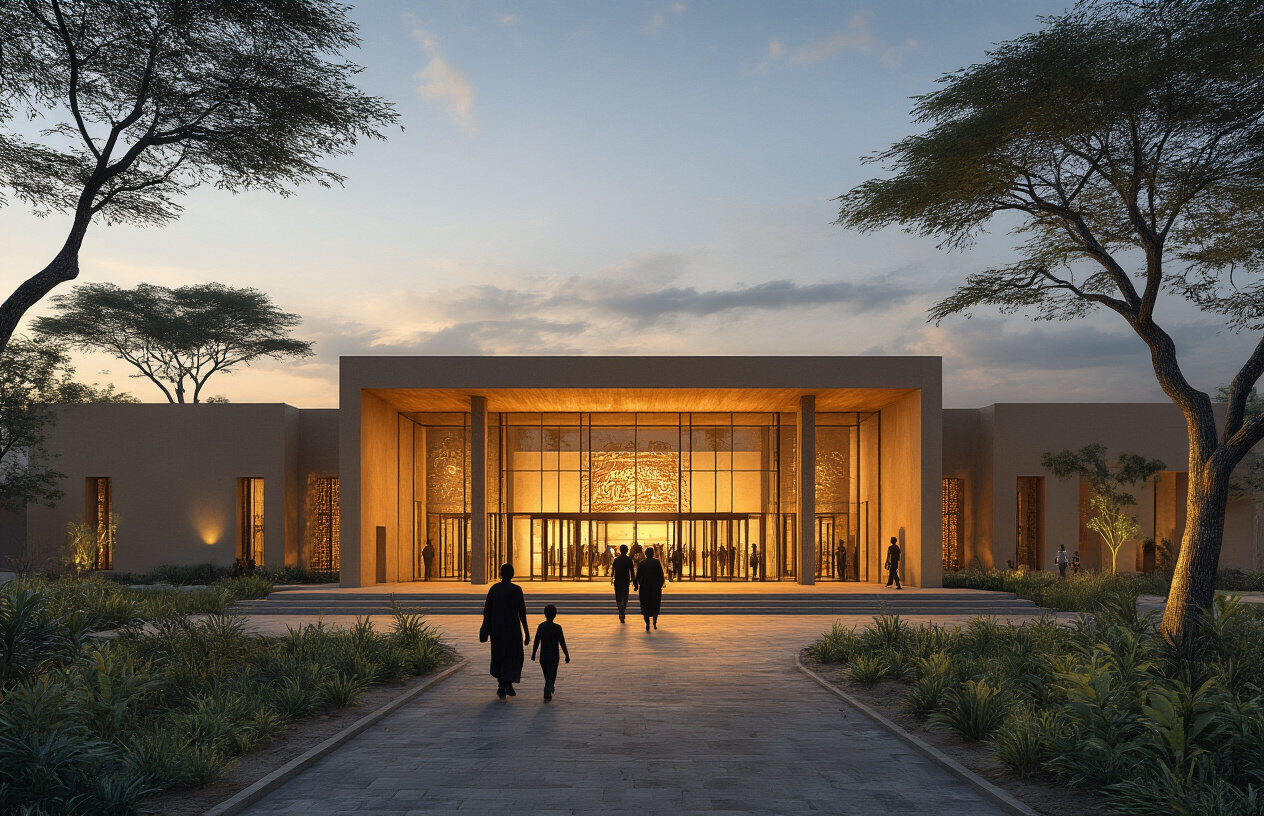
Setting up a theatre in Kenya requires careful planning across several key areas. You’ll need to navigate the legal landscape, secure the right location, and create a space that works for both performers and audiences. Building relationships with local entertainment professionals and organizations will open doors and create opportunities you might not find on your own. These partnerships often become the foundation for long-term success in Kenya’s growing arts scene.
The financial side demands equal attention to the creative aspects. Developing multiple revenue streams – from ticket sales to corporate events and workshops – will keep your theatre sustainable during slow periods. Smart marketing that connects with your local community while staying true to your artistic vision will help you build a loyal audience. Remember that Kenya’s theatre scene is vibrant but competitive, so focus on what makes your venue unique and valuable to the community you want to serve.
FAQs
Yes. To operate legally, you should register your theatre company as a business name, partnership, or limited company with the Registrar of Companies. Registration not only builds credibility but also helps you access grants, funding, and partnerships.
Depending on your location and activities, you may need:
A single business permit from the county government.
A performance license from the Kenya Copyright Board (KECOBO).
Music licenses if you use copyrighted music in productions.
Costs vary depending on scale. A small community theatre may need KES 200,000–500,000 for venue hire, costumes, props, and marketing. Larger companies may require KES 1 million+ if purchasing equipment, renting a permanent venue, or paying full-time staff.
Government arts grants through the Ministry of Sports, Culture & Heritage.
Partnerships with NGOs, schools, and cultural organizations.
Corporate sponsorships and brand collaborations.
Ticket sales, workshops, and training programs as revenue streams.
Successful theatre companies combine traditional promotion (posters, word of mouth, community events) with digital marketing (Instagram, TikTok, Facebook events, and YouTube trailers). Partnering with schools, universities, and influencers also helps bring in younger audiences.
Add a Comment